The Strait of Magellan: Thirty-Eight Days Through the Bottom of the World
On 21 October 1520, after more than a year at sea, the fleet found what it had been looking for: a narrow passage of water, twisting between high mountains, that led from the Atlantic to the Pacific. The passage was 570 kilometres long, and it took the fleet thirty-eight days to get through it. One ship deserted in the strait and sailed home. The rest came out the other side into an ocean Magellan called the Pacific, because it was so calm. The strait still bears his name, and it is still one of the most difficult passages in the world to sail.
In short
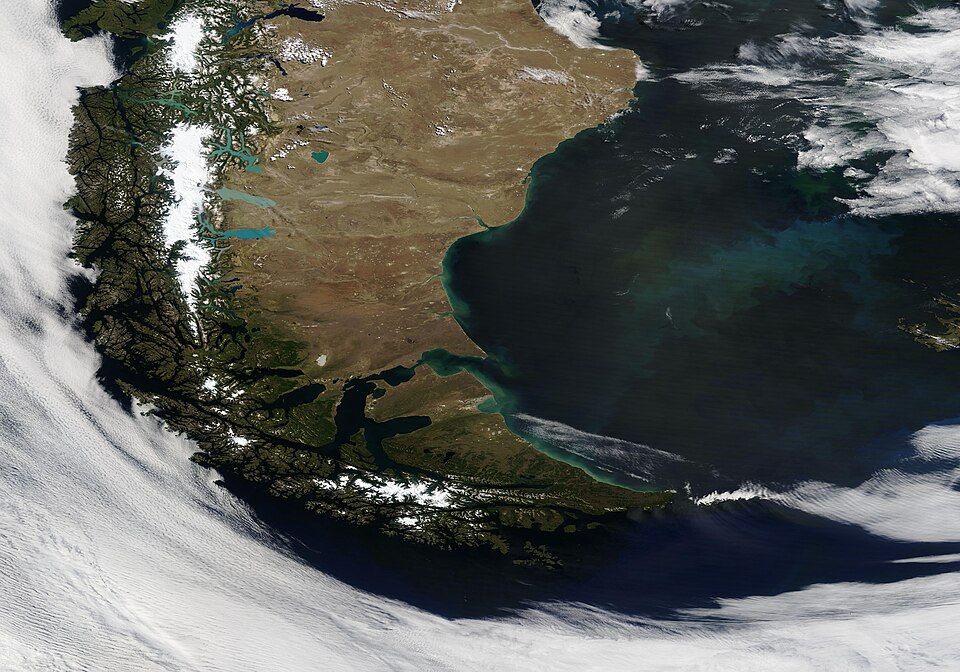
The fleet entered the strait on 21 October 1520, the feast of St Ursula (it was first called the Strait of St Ursula), and passed through to the Pacific on 28 November 1520 — thirty-eight days, about 570 kilometres (350 miles). The strait separates mainland South America from the island of Tierra del Fuego. During the passage the San Antonio, under Estevao Gomes, deserted and sailed back to Spain. The three remaining ships — Trinidad, Concepcion, and Victoria — came out into the Pacific on 28 November 1520, and Magellan named the new ocean "Mar Pacifico", the peaceful sea, because it was so calm after the storms of the strait.
Finding the passage
The fleet had been sailing south along the Patagonian coast for two months since leaving Port St Julian, and the coast seemed endless. On 21 October 1520, the ships reached a bay at about 52 degrees south, and Magellan sent the San Antonio and the Concepcion ahead to explore. They came back with news: the bay was not a bay at all, but the mouth of a strait, and the water in it was salty, which meant it led to another ocean. Magellan called his captains together and told them what he had found. It was the feast of St Ursula, and the passage was first named for her. The fleet entered the strait the next day, and the hardest part of the voyage began.
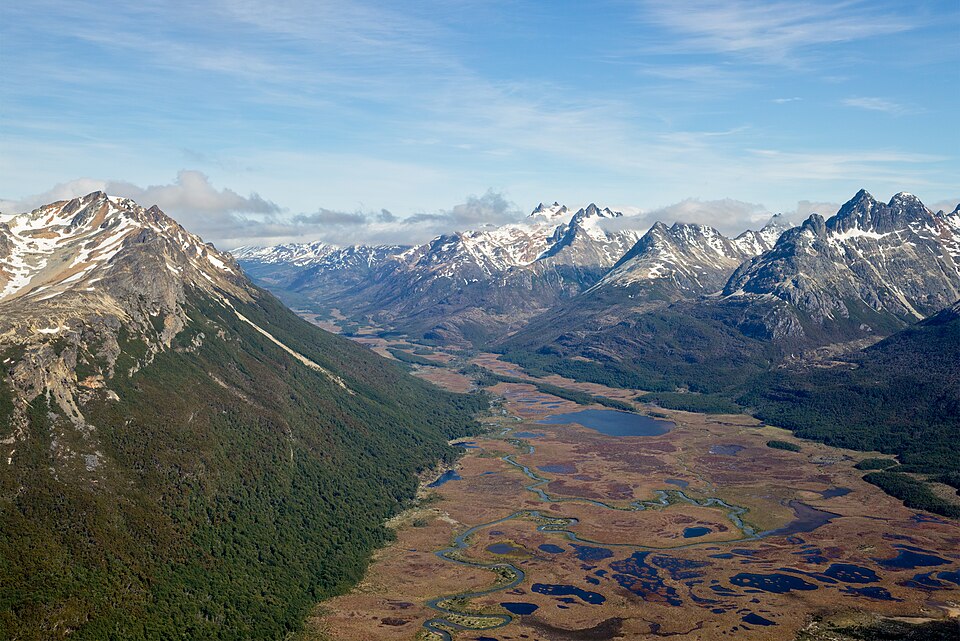
The strait is not a straight channel. It twists and turns between high mountains, narrows to less than four kilometres wide in places, and is full of cross-currents, sudden winds, and fog. The fleet had to feel its way through, anchoring at night and sending boats ahead to sound the water. The weather was bitterly cold, and the men could see fires burning on the southern shore — the fires of the people who lived on Tierra del Fuego, the "Land of Fire", so named for the smoke and flames the sailors saw from their ships. The passage took thirty-eight days, and it tested the fleet to its limits. But on 28 November 1520, the feast of All Saints, the ships came out of the strait and into open water. Magellan wept, according to Pigafetta, and ordered the guns fired in celebration.
The desertion of the San Antonio
The strait cost the fleet one ship. The San Antonio, the largest ship and the one carrying most of the fleet's food, was sent ahead with the Concepcion to explore a side channel, and her captain, Estevao Gomes, saw his chance. Gomes had been one of Magellan's critics from the start — he had argued against the voyage in Seville, and he believed the fleet should turn back. In the night, the San Antonio slipped away from the fleet, turned around, and sailed back through the strait and across the Atlantic to Spain, arriving in Seville in May 1521. Gomes told the authorities that Magellan had been killed in a mutiny and that the expedition was lost. The lie was believed in Spain, and Magellan's wife Beatriz, waiting in Seville, was told her husband was dead. The San Antonio's desertion was also a practical disaster: she carried a large part of the fleet's food, and the three ships that went on into the Pacific had to make do with what was left. It was one of the reasons the Pacific crossing was so terrible.
Why the strait mattered
The strait was the first sea passage ever found between the Atlantic and the Pacific, and it changed the map of the world. Before Magellan, no European knew that South America ended, or that there was a way around it by sea. The strait proved that the Americas were a separate continent, with an ocean on the far side, and it gave Spain a route to the Pacific — and, through the Pacific, to Asia. The passage was so difficult, however, that it was rarely used: most ships preferred the longer but safer route around Cape Horn, at the southern tip of South America, and later the Panama Canal made the strait unnecessary for most traffic. But the strait is still used today, and it still bears Magellan's name — one of the few places on Earth named for a man who sailed through it five hundred years ago.
The strait today
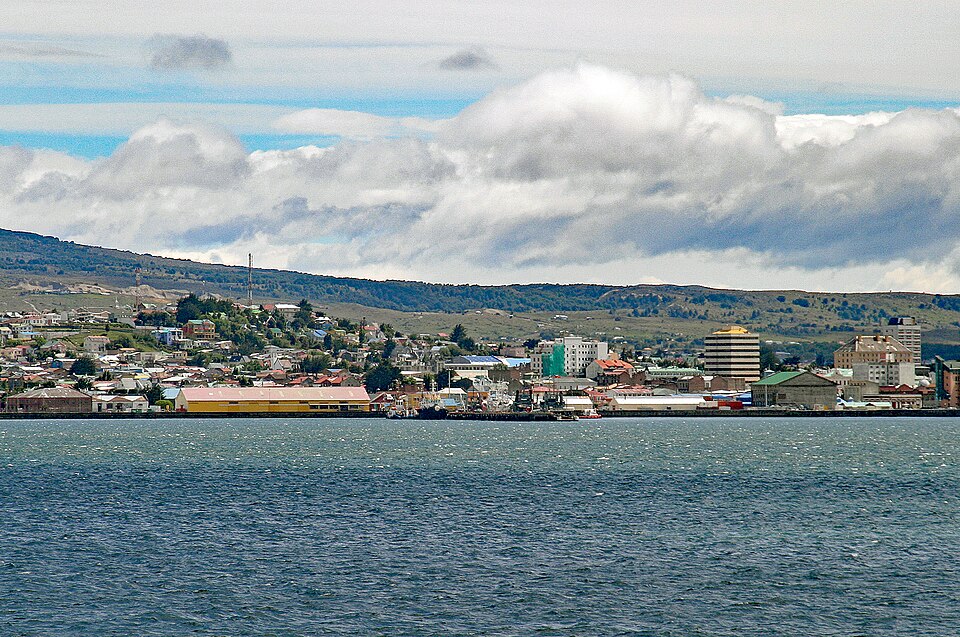
The Strait of Magellan is about 570 kilometres long, between 3 and 30 kilometres wide, and it runs through Chilean territory. The city of Punta Arenas, on its northern shore, is one of the southernmost cities in the world. The strait is still a difficult passage: strong winds, fast currents, and sudden weather changes make it a challenge for even modern ships, and it is used mostly by smaller vessels and by ships that cannot use the Panama Canal. The southern shore is Tierra del Fuego, an island shared by Chile and Argentina, and the town of Ushuaia, on its southern coast, is often called the southernmost city in the world. Five hundred years after Magellan sailed through it, the strait is still what it was: a narrow, cold, beautiful passage at the bottom of the world, and a reminder of the voyage that first found it.
| Fact | Detail |
|---|---|
| Entered | 21 October 1520 (feast of St Ursula) |
| Exited to the Pacific | 28 November 1520 (38 days later) |
| Length | About 570 km (350 miles) |
| Width | 3 to 30 km at different points |
| Separates | Mainland South America from Tierra del Fuego |
| Ship lost | San Antonio deserted and returned to Spain |
| Ships that passed through | Trinidad, Concepcion, Victoria |
Sources: Wikipedia, “Magellan expedition” and “Strait of Magellan”; Encyclopaedia Britannica, “Ferdinand Magellan” and “Strait of Magellan”; Ohio State University Origins, “Magellan’s Circumnavigation of the Earth”; Antonio Pigafetta, “The First Voyage Round the World” (journal, 1522). Checked 29 November 2026.