Ferdinand Magellan: The Voyage That Sailed Around the World
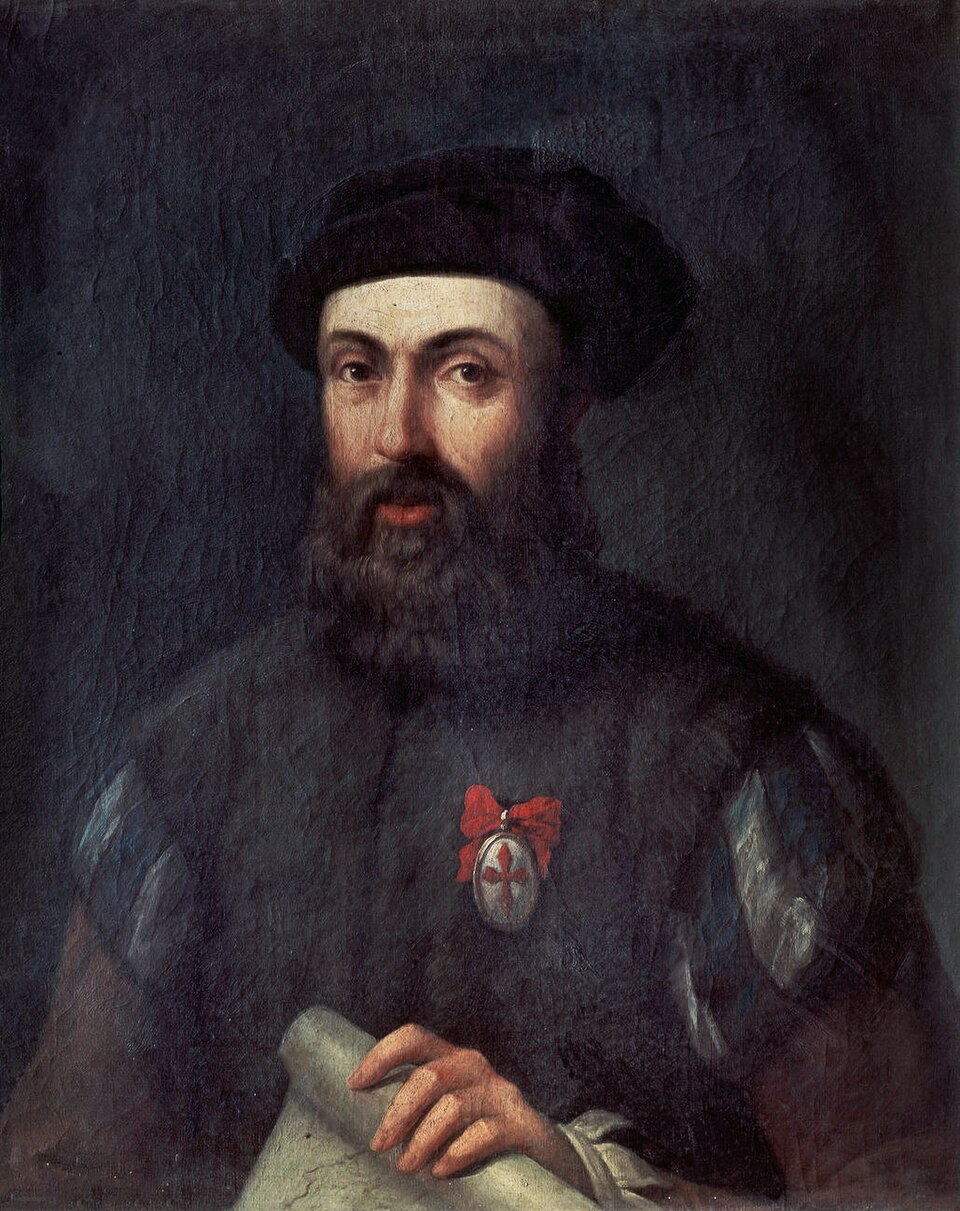
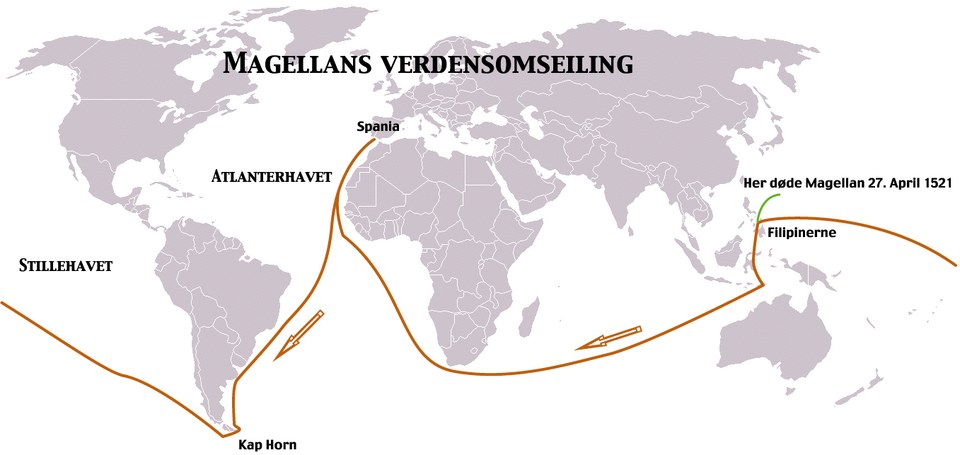
On 20 September 1519, five small ships sailed out of Spain with about 270 men, bound for the Spice Islands by a route no European had ever tried: west, across the Atlantic, around the bottom of South America, and across an ocean so wide that nobody knew how wide it was. Three years later, one ship came home with eighteen men. Its captain was dead, killed in the Philippines. But the voyage had done something no voyage had ever done before: it had sailed all the way around the world, and proved, by sailing it, that the Earth is round and far bigger than anyone in Europe had imagined. This site tells the whole story in eleven chapters: the Portuguese sailor who planned it, the Spanish bargain that paid for it, the five ships, the Atlantic crossing, the strait that still bears his name, the terrible Pacific crossing, the Philippines and the death at Mactan, and the Basque captain who brought the last ship home.
Start here
Five numbers tell the story. The fleet was five ships and about 270 men. The crossing of the Pacific took 98 days, during which the crews ate rats, sawdust, and leather, and about nineteen men died of scurvy. Magellan was killed on the island of Mactan in the Philippines on 27 April 1521, less than two years into the voyage. The Victoria, the only ship to finish, came home to Spain on 6 September 1522 with just eighteen men aboard. And the whole voyage covered about 60,440 kilometres — the first time anyone had sailed around the Earth.
The man and the plan
- Early Life and Origins — a Portuguese nobleman's son, service in India, a wound in Morocco, and a quarrel with his king.
- The Plan to Sail West — why the Spice Islands mattered, and why Magellan believed they lay in Spain's half of the world.
- The Spanish Bargain — a Portuguese captain sells his plan to the young king of Spain.
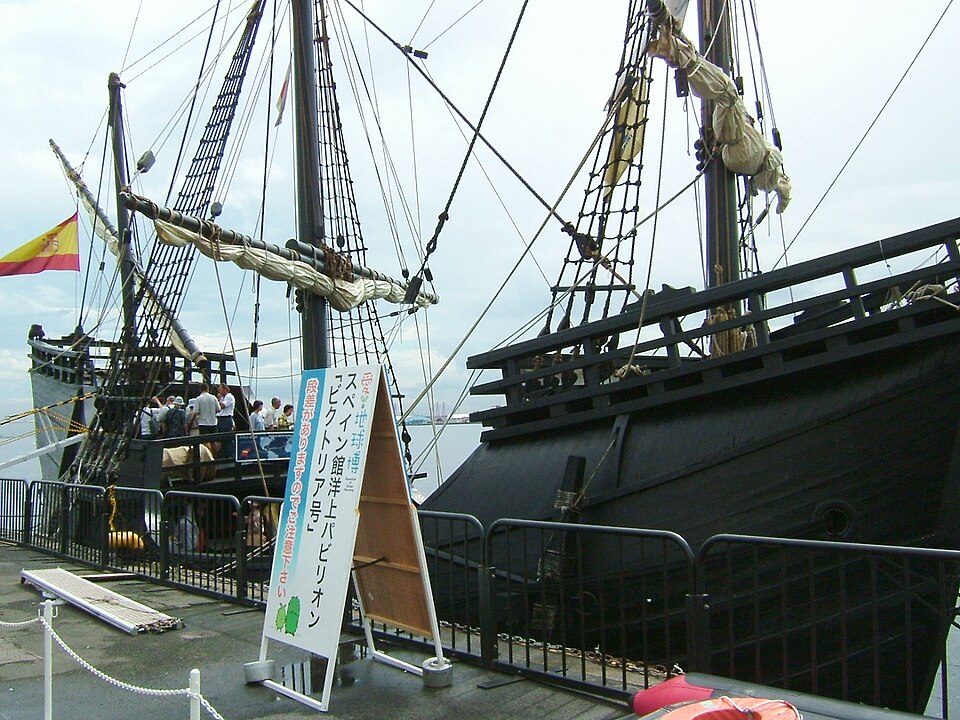
- The Five Ships — the Trinidad, San Antonio, Concepcion, Victoria, and Santiago, and the 270 men who sailed them.
The voyage
- The Atlantic Crossing — from Spain to Brazil, and the mutiny at Port St Julian.
- The Strait of Magellan — thirty-eight days through the narrow passage at the bottom of the world.
- The Pacific Crossing — ninety-eight days across an ocean with no land in sight.
- The Philippines and Mactan — welcome in Cebu, war on Mactan, and the death of Magellan.
The return, and what it meant
- Elcano and the Victoria — a Basque captain takes the last ship home the long way round.
- The First Circumnavigation — what the voyage proved about the size of the Earth, and the day the crew lost.
- Legacy and Controversy — the strait, the clouds, the penguin, and the argument about Magellan today.
What this site will not do
Magellan Decoded is general information for curious readers, not advice for any specific purpose — it will not tell you what to believe about a contested event, only what the evidence says and where historians disagree. It recommends no products, carries no affiliate links, and never collects your email address. Dates from the early sixteenth century are approximate, and the guides say so where the evidence is uncertain; where historians disagree, the guides name the debate instead of picking a side. The main account of the voyage is the journal of Antonio Pigafetta, a Venetian who sailed with the fleet, and this site says so wherever his account is used.
All dates on this site were checked against the sources named on each page on 29 November 2026. Dates from the early sixteenth century are approximate, and each guide says where the evidence is uncertain or historians disagree.
Sources: This site's facts come from primary and reference sources named on each page: Encyclopaedia Britannica, Wikipedia, Ohio State University Origins, the Museo Naval of Madrid, the Library of Congress, and National Geographic.