Early Life and Origins: A Portuguese Sailor Who Changed Sides
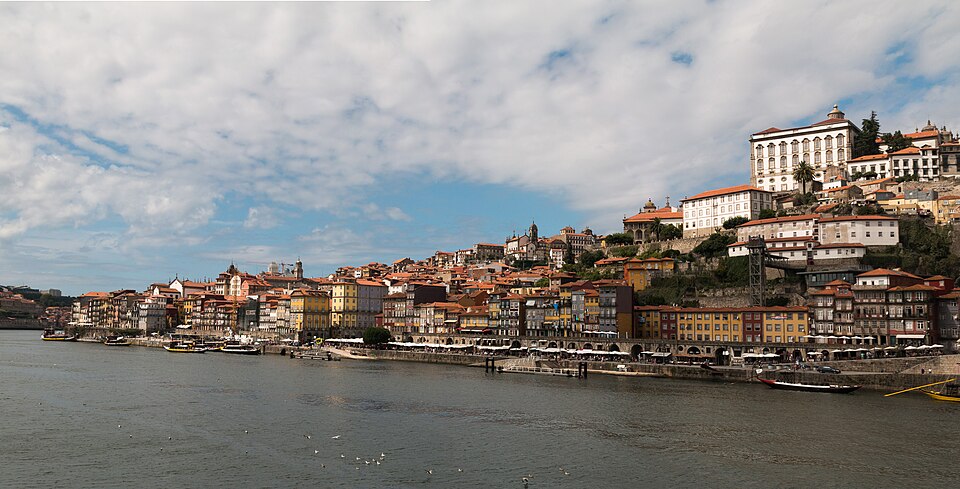
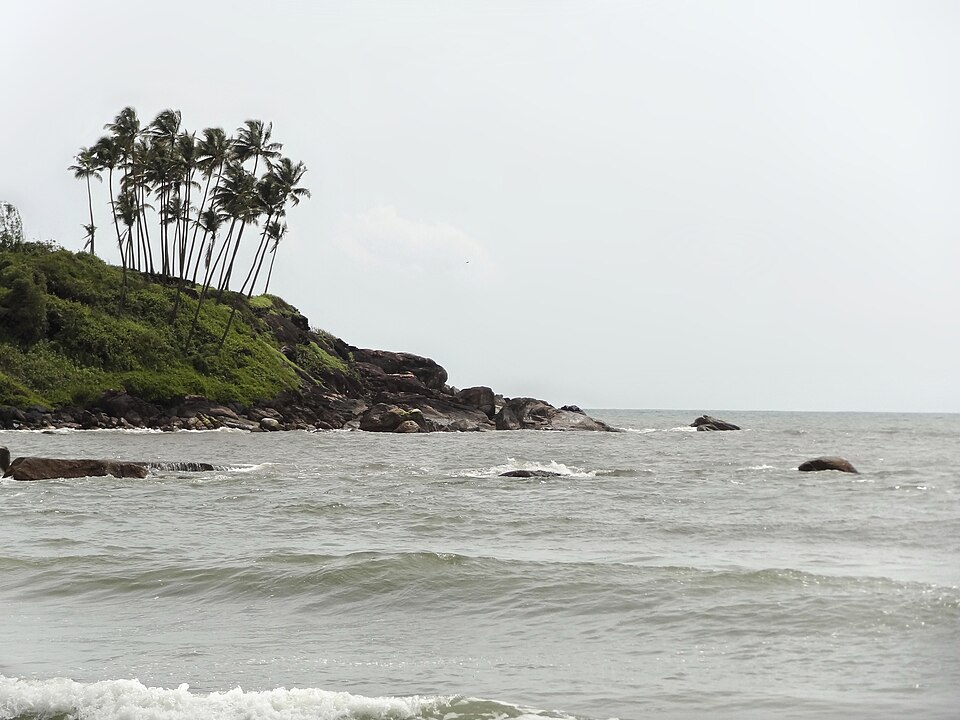
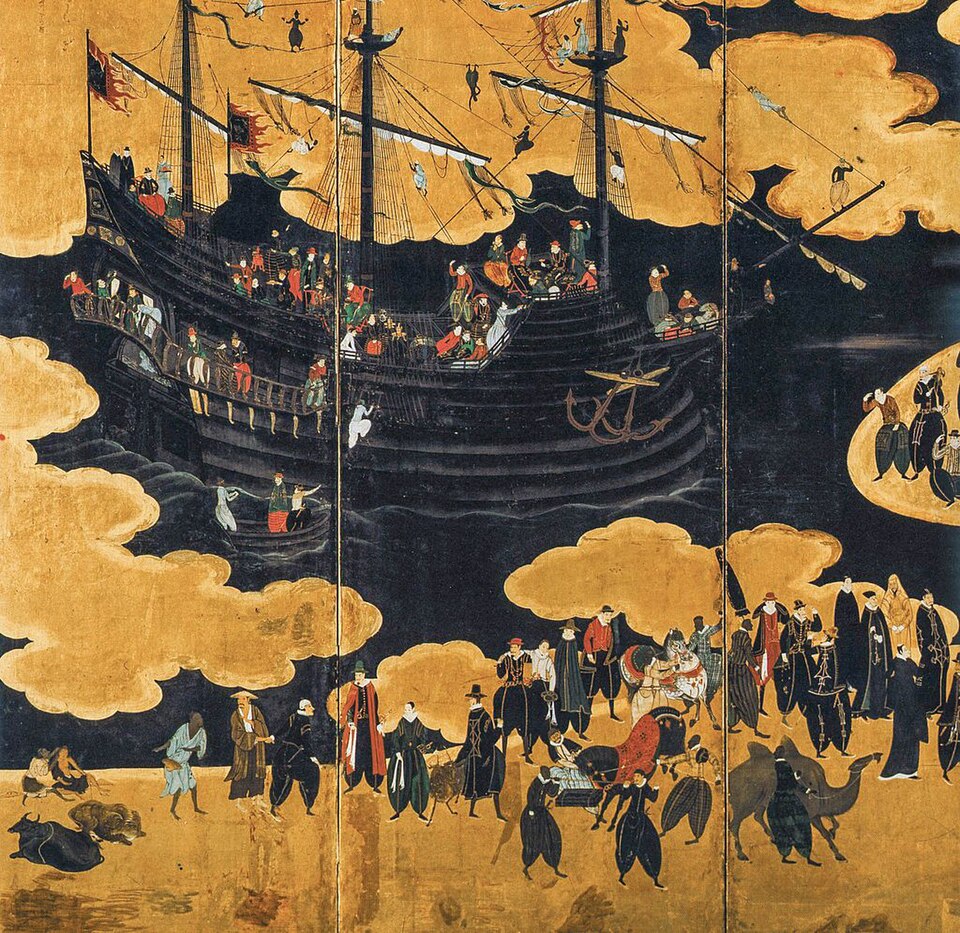
Ferdinand Magellan was born in Portugal around 1480, into a family of minor nobility, and he spent his young manhood serving the Portuguese crown in India and Morocco. He was wounded in battle, passed over for promotion, and refused a small pay rise by his king. So he did what few men of his time would dare to do: he renounced his own country, went to Spain, and offered its young king a plan to reach the Spice Islands by sailing west — through waters Portugal claimed for itself. The greatest voyage in history began with a quarrel.
In short
Ferdinand Magellan — Fernao de Magalhaes in Portuguese, Fernando de Magallanes in Spanish — was born in northern Portugal around 1480, probably near Porto or in the Vila Real region (the exact birthplace is debated). He served as a page at the court of Queen Leonor, sailed to India in 1505 with the fleet of Francisco de Almeida, fought in the Indian Ocean, and was wounded in Morocco in 1513, leaving him with a limp for life. After King Manuel I refused his requests, he left Portugal for Spain in 1517, married Beatriz Barbosa in Seville, and won the backing of King Charles I for a westward voyage to the Spice Islands.
A northern Portuguese childhood
We know surprisingly little about Magellan's early life, and what we do know comes mostly from later records rather than from his own words. He was born around 1480 — the year is not certain — into a family of the minor Portuguese nobility. His father, Rui de Magalhaes, was a nobleman who served as a page at court, and his mother was Alda de Mesquita. The family came from the north of Portugal. Some sources say he was born in Porto, the great port city on the River Douro; others point to Sabrosa, a small town in the Vila Real district. The town of Sabrosa still claims him, and there is a statue of him there, but historians do not agree, and this site does not pretend the question is settled. What matters is not the town but the world he was born into: Portugal, in 1480, was the most adventurous seafaring nation on Earth.
As a boy of about ten, Magellan was sent to Lisbon to serve as a page at the court of Queen Leonor, the wife of King John II. A page's life was part servant, part student: he would have learned manners, letters, and the ways of the court, and he would have heard the talk of sailors, mapmakers, and merchants that filled Lisbon in those years. Portuguese ships were pushing down the coast of Africa year by year, looking for gold and for a sea route to India. In 1488, when Magellan was about eight, Bartolomeu Dias rounded the Cape of Good Hope. In 1498, when Magellan was about eighteen, Vasco da Gama reached India. The boy who waited on the queen was growing up in the middle of the greatest age of exploration the world had ever seen.
India: eight years in the East
In 1505 Magellan sailed for India as part of the fleet of Francisco de Almeida, the first Portuguese viceroy of India. He was about twenty-five. He would spend the next eight years in the East, and the experience shaped everything that followed. He fought in the Battle of Diu in 1509, a great naval battle off the west coast of India in which the Portuguese destroyed a combined fleet of Egyptians, Gujaratis, and others, and secured Portuguese control of the Indian Ocean. He sailed to Malacca, the great trading port in what is now Malaysia, and took part in its conquest in 1511 under Afonso de Albuquerque. Some accounts say he reached the Spice Islands themselves — the Moluccas — in 1511 or 1512, sailing with a fleet that visited the islands of Banda and Ternate. If so, he had seen the goal of his great voyage with his own eyes before he ever planned it. Historians are not sure this is true, and the evidence is thin, but it is possible, and it would explain a great deal: a man who had been to the Spice Islands would know exactly how rich they were, and exactly how hard they were to reach.
What is certain is that Magellan learned his trade in the East. He learned navigation, the monsoon winds, the way a fleet is supplied and commanded, and the way a small European force could hold a port against much larger numbers. He also learned the value of the spice trade. Cloves, nutmeg, and mace grew on a handful of small volcanic islands in the Moluccas, and they were worth more than their weight in silver in Europe. A single shipload of cloves could make a fortune. The Portuguese had the eastern route to the islands, around Africa and across the Indian Ocean, and they guarded it fiercely. Magellan would spend the rest of his life thinking about another way in.
Morocco, a wound, and a quarrel with the king
Magellan returned to Portugal in 1512 or 1513, and was sent to Morocco, where Portugal was fighting to hold its North African ports. At Azamor in 1513 he was wounded in the knee by a lance, and the wound left him lame for the rest of his life. He also fell into trouble with his commanders: he was accused of trading illegally with the Moors, and although he was cleared, the affair damaged his standing. Worse was to come. He asked King Manuel I for a small increase in his pay — a rise in his monthly allowance — and the king refused. He asked for a new command, and was refused again. He asked for permission to serve another prince, and the king told him he could go where he liked, in words that Magellan took as a dismissal.
It is easy, from five centuries away, to see this as a small quarrel. But for Magellan it was everything. He was a nobleman who had served his king for more than a decade in India and Morocco, who had been wounded in his service, and who believed he had been treated with contempt. In 1517 he renounced his Portuguese nationality, moved to Seville in Spain, and began to look for a new patron. In Seville he met Rui Faleiro, a Portuguese cosmographer who had his own ideas about the Spice Islands, and he married Beatriz Barbosa, the daughter of a Portuguese family settled in Seville. Together with Faleiro, he worked out a plan that would make his name immortal — and that depended, entirely, on leaving Portugal behind.
The man behind the voyage
What kind of man was Magellan? The accounts that survive describe a man of medium height, dark, and powerfully built, with a limp from his Moroccan wound. Pigafetta, who sailed with him, describes a commander who was brave, stubborn, deeply religious, and quick to punish disobedience — and also a man who could be generous and loyal to those who served him well. He was not an easy man to serve under: he kept his plans secret, he refused to explain himself to his captains, and he punished mutiny with death. But he was also a man of extraordinary determination. He had been refused by one king, and he spent two years persuading another. He had been wounded, passed over, and insulted, and he answered by planning the most ambitious voyage anyone had ever attempted. The voyage would kill him. It would also make his name one of the most famous in history.
| Date | What happened |
|---|---|
| c. 1480 | Born in northern Portugal, probably near Porto or in the Vila Real region |
| c. 1490 | Sent to Lisbon as a page at the court of Queen Leonor |
| 1505 | Sails to India with the fleet of Francisco de Almeida |
| 1509 | Fights at the Battle of Diu, off the west coast of India |
| 1511 | Takes part in the conquest of Malacca; possibly visits the Spice Islands |
| 1513 | Wounded in the knee at Azamor, Morocco; left with a limp for life |
| 1516 | King Manuel I refuses his requests for a pay rise and a new command |
| 1517 | Leaves Portugal for Spain; marries Beatriz Barbosa in Seville |
| 1518 | King Charles I of Spain approves the westward voyage to the Spice Islands |
Sources: Encyclopaedia Britannica, “Ferdinand Magellan”; Wikipedia, “Ferdinand Magellan” and “Magellan expedition”; Ohio State University Origins, “Magellan’s Circumnavigation of the Earth”; Museo Naval, Madrid, “Magellan, Elcano and Their Voyage Around the World.” Checked 29 November 2026.