Elcano and the Victoria: The Last Ship Sails Home
When Magellan died on Mactan, the voyage was supposed to be over. The commander was dead, the fleet was down to two ships, and the men were starving. But a Basque sailor named Juan Sebastian Elcano took command, sailed the last ship to the Spice Islands, loaded her with cloves, and then did what no one had ever done: he sailed her home the long way round, across the Indian Ocean, around Africa, and back to Spain. On 6 September 1522 the Victoria came into Sanlucar de Barrameda with eighteen men aboard. Elcano had finished what Magellan had started — and he had done it in a ship that was leaking, starving, and held together by hope.
In short
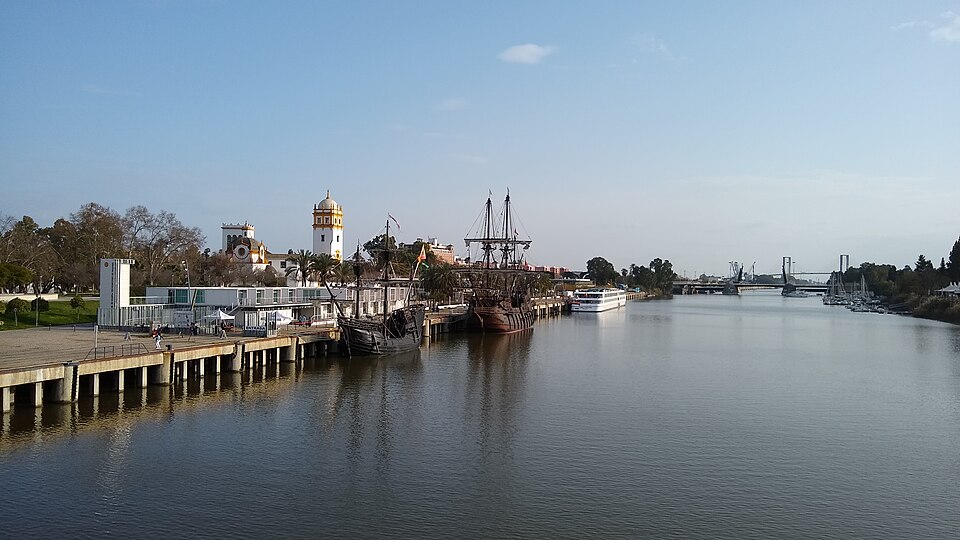
After Magellan's death, Juan Sebastian Elcano, a Basque from Getaria who had joined the expedition as a subordinate officer (and had been pardoned for his part in the Port St Julian mutiny), took command of the Victoria. The two remaining ships reached the Moluccas on 8 November 1521 and loaded cloves at Tidore. The Trinidad tried to return east across the Pacific, failed, and was captured by the Portuguese. Elcano sailed the Victoria west on 21 December 1521, alone, across the Indian Ocean and around the Cape of Good Hope, and reached Sanlucar de Barrameda on 6 September 1522 with eighteen men aboard — the first ship, and the first men, to sail all the way around the world.
The man who finished the voyage
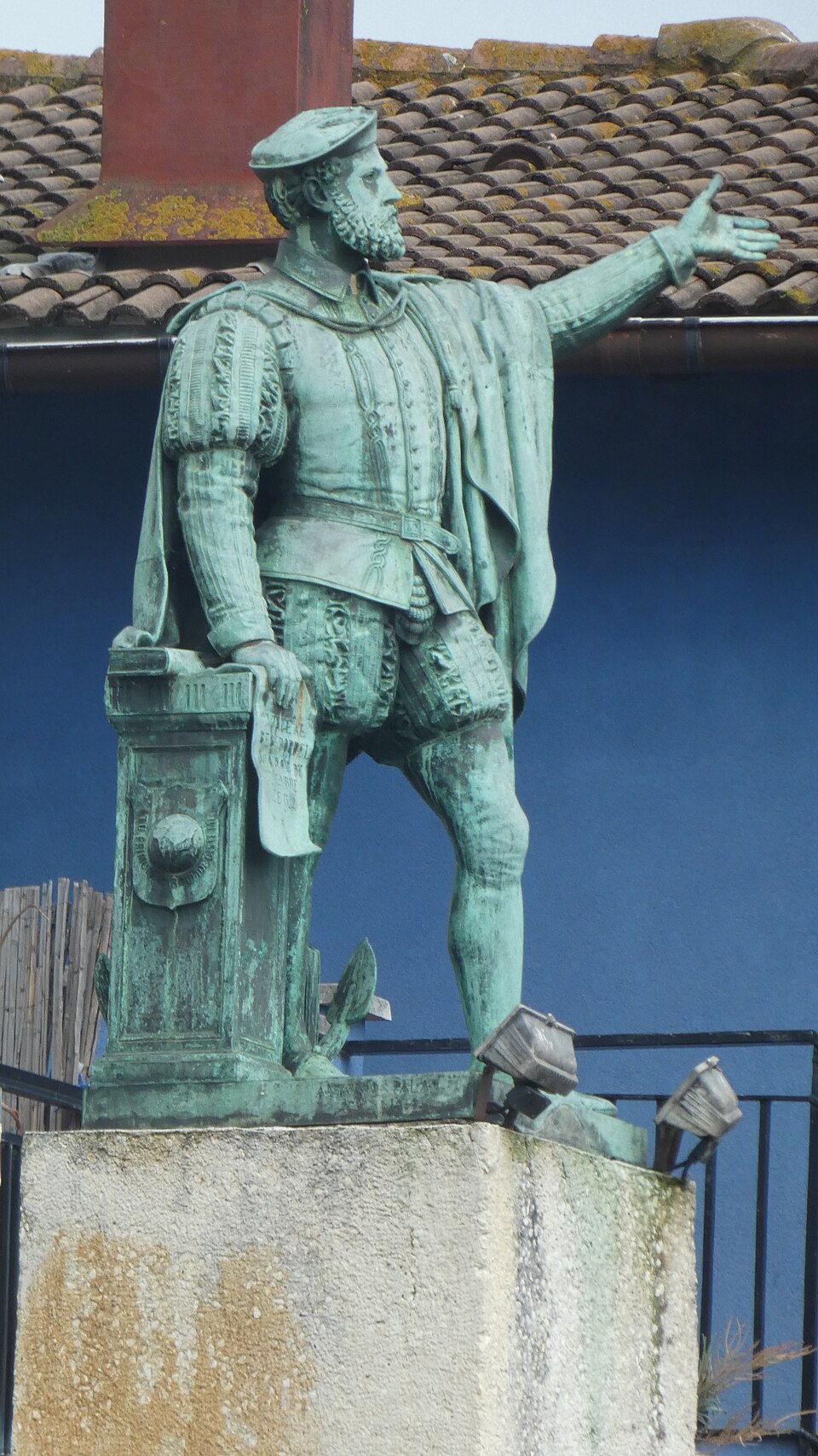
Juan Sebastian Elcano was born in Getaria, a small fishing town on the Basque coast of northern Spain, around 1486. He had been a soldier and a merchant captain before he joined Magellan's expedition as a master (a senior sailing officer) on the Concepcion. He had taken part in the mutiny at Port St Julian, and Magellan had pardoned him — a pardon that, in hindsight, saved the voyage. After Magellan's death and the massacre at Cebu, Elcano was elected captain of the Victoria by the surviving men, and he proved to be exactly the commander the expedition needed: practical, steady, and willing to take a risk that Magellan would not have taken. The risk was to sail home by the western route — across the Indian Ocean and around Africa, through waters controlled by Portugal, in a single ship, with a crew of fewer than fifty men.
The Spice Islands at last
The two remaining ships reached the Moluccas on 8 November 1521, more than two years after leaving Spain. They anchored at Tidore, one of the two great clove islands, and were welcomed by its ruler, Sultan Almanzor, who was an enemy of the Portuguese-backed sultan of Ternate. The men traded their remaining goods for cloves — so many cloves that the ships were loaded to the waterline — and the Sultan gave them a promise of friendship with Spain. It was the goal of the whole voyage, achieved at last: the fleet had reached the Spice Islands by sailing west, and it had a cargo worth a fortune. But the fleet was in no state to enjoy it. The Trinidad was leaking badly, and her crew decided she needed repairs before she could sail. The Victoria, under Elcano, would go home alone, west across the Indian Ocean. The Trinidad would try to return east, across the Pacific, and hope to reach Panama. It was a plan born of necessity: there were not enough men to sail both ships home the same way, and the Trinidad could not make the long western voyage in her condition.
The long way home
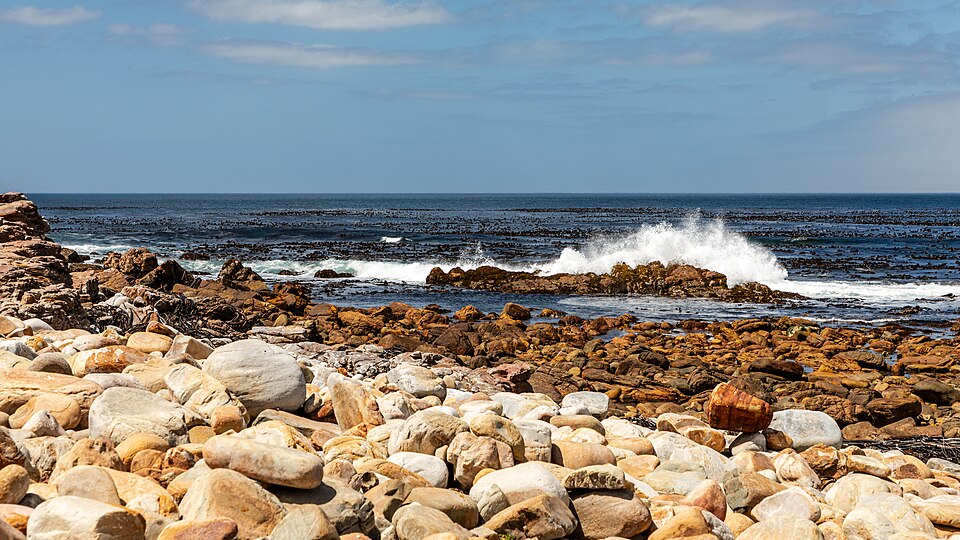
The Victoria left Tidore on 21 December 1521, with forty-seven Europeans and thirteen Asian crewmen aboard, and sailed south-west across the Indian Ocean. The voyage was almost as hard as the Pacific crossing. The ship was overloaded with cloves, her timbers were rotting, and she leaked so badly that the men had to pump day and night. They sailed for weeks without seeing land, rounded the Cape of Good Hope in May 1522 in a storm that nearly sank them, and then turned north up the African coast. Food ran out again, and scurvy returned. By the time they reached the Cape Verde Islands, in July 1522, twenty-one men had died on the voyage home, and the survivors were starving. Elcano stopped at Santiago, in the Cape Verde Islands, to buy food — and thirteen of his men were captured by the Portuguese, who had orders to arrest any Spaniard who had sailed from the Moluccas. Elcano slipped away with the rest, sailed north past the Azores, and on 6 September 1522 — three years and sixteen days after leaving — the Victoria came into Sanlucar de Barrameda with eighteen men aboard.
The return, and the reward
The eighteen men who came home were received as heroes. King Charles I met Elcano at Valladolid, gave him a coat of arms showing a globe and the words "Primus circumdedisti me" — "You first sailed around me" — and granted him a pension of 500 ducats a year. The cargo of cloves on the Victoria was sold for a fortune — enough, it is said, to pay for the entire expedition and leave a profit — which proved that the voyage, for all its horror, had been a commercial success. But the cost had been terrible: of the 270 men who had sailed, only eighteen came home on the Victoria, twelve more were released from Cape Verde, and four or five straggled back from the Trinidad years later. More than two hundred men had died. Elcano himself went back to sea: he sailed on a second expedition to the Moluccas in 1525, under Garcia Jofre de Loaisa, and died of scurvy in the Pacific in 1526, on the same ocean that had nearly killed him four years before. He is buried at sea, somewhere in the Pacific, and his home town of Getaria still keeps his statue and his memory.
| Date | What happened |
|---|---|
| 8 Nov 1521 | Trinidad and Victoria reach Tidore in the Spice Islands |
| Dec 1521 | Trinidad stays for repairs; Victoria sails west alone |
| 21 Dec 1521 | Victoria leaves Tidore with 47 Europeans and 13 Asian crew |
| May 1522 | Victoria rounds the Cape of Good Hope in a storm |
| Jul 1522 | Thirteen men captured by the Portuguese at Cape Verde |
| 6 Sep 1522 | Victoria reaches Sanlucar with 18 men — the circumnavigation is complete |
| 1522–23 | Elcano rewarded with a coat of arms and a pension by King Charles I |
Sources: Wikipedia, “Magellan expedition” and “Juan Sebastián Elcano”; Encyclopaedia Britannica, “Juan Sebastián Elcano”; Ohio State University Origins, “Magellan’s Circumnavigation of the Earth”; Museo Naval, Madrid, “Magellan, Elcano and Their Voyage Around the World.” Checked 29 November 2026.