The First Circumnavigation: What the Voyage Proved
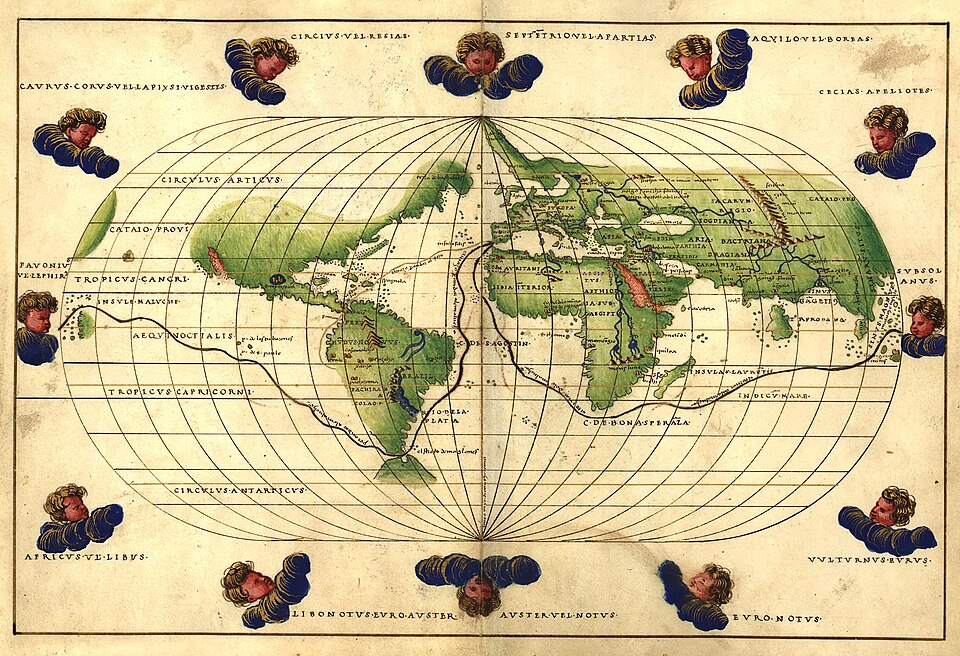
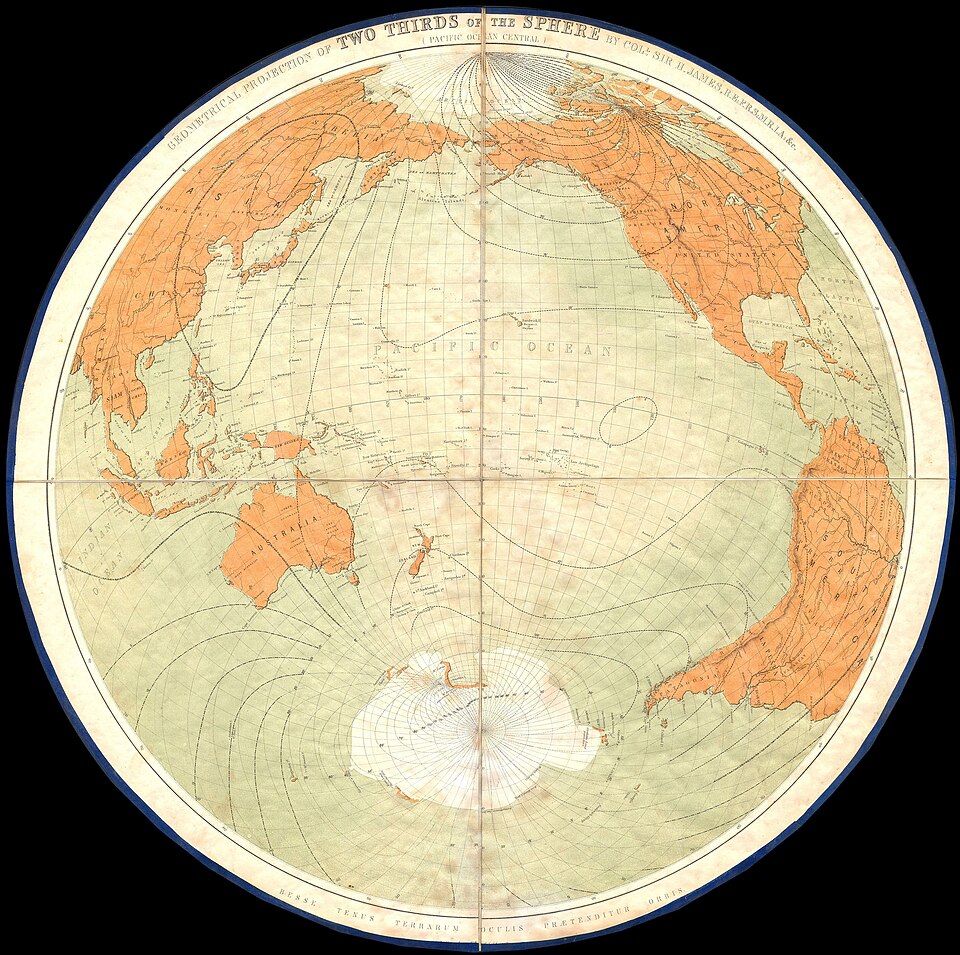

The Magellan-Elcano expedition proved three things that changed the world. It proved that the Earth is round — not by argument, but by sailing around it and coming home from the other direction. It proved that the Earth is far bigger than anyone in Europe had thought, because the Pacific turned out to be the largest ocean on the planet. And it proved, by accident, that a day can be lost by sailing around the world — the first practical demonstration that time depends on where you are. The voyage also proved something darker: that a single shipload of spices could pay for an expedition that killed two hundred men, and that the age of global trade had begun.
In short
The expedition was the first circumnavigation of the Earth: it left Spain sailing west and returned from the east, having sailed about 60,440 kilometres (37,560 miles) in 1,082 days (20 September 1519 – 6 September 1522). It proved the Earth is round in practice, showed the Pacific is far wider than anyone had believed, and produced the first observation of the "lost day" — the crew found their log was a day behind the calendar in Spain, because they had sailed west around the world and gained a day. The Victoria's cargo of cloves (about 26 tonnes) sold for enough to cover the cost of the whole expedition. The voyage also proved that the Americas are a separate continent with a vast ocean on their far side, and it gave Europe its first reliable picture of the shape of the world.
The round Earth, proved by sailing
Educated Europeans had known since ancient Greece that the Earth is round — the Greek scientist Eratosthenes had measured its circumference with good accuracy in the second century BC, and medieval scholars wrote about a spherical Earth. But knowing something in theory is not the same as proving it in practice, and the Magellan-Elcano expedition was the proof. A fleet sailed west from Spain, kept going west, and came home from the east, having sailed around the world. No one could argue with that. The voyage also settled the question of the size of the Earth. Columbus had believed the world was small, and Magellan had believed the Pacific was narrow. Both were wrong. The Earth was far bigger than the charts said, and the Pacific was so wide that it took ninety-eight days to cross. The maps drawn after the voyage were the first to show the world more or less as it really is: five continents, four oceans, and a planet far larger than anyone had imagined.
The day that was lost
The strangest discovery of the voyage was also the most famous. When the Victoria reached the Cape Verde Islands in July 1522, the crew asked what day it was, and were told it was Thursday. Their own log said it was Wednesday. They had lost a day — or, more precisely, they had gained one. By sailing west around the world, always chasing the sun, they had lived through one fewer sunrise than the people who had stayed at home. It was the first practical proof of what we now call the International Date Line, and it puzzled the men of the time so much that the pope was asked to explain it. Pigafetta wrote about it with wonder, and the story became one of the most retold facts of the voyage. Today, every traveller who flies west around the world knows the feeling: cross the date line, and a day disappears. The Victoria's crew were the first to experience it, and the first to write it down.
The price, and the profit
The voyage was a commercial success and a human disaster, and the two facts belong together. The Victoria brought home about 26 tonnes of cloves (some accounts say 381 sacks, weighing about 26 tonnes), and the cargo was sold for about 8 million maravedis — roughly the cost of the entire expedition. The Spanish crown, which had paid for five ships and 270 men, got its money back from a single shipload of spices. But the price in lives was terrible: of the 270 men who sailed, only eighteen came home on the Victoria. The rest died of scurvy, starvation, disease, and battle, or were captured by the Portuguese, or marooned. The expedition proved that a western route to the Spice Islands existed, but it also proved that the route was too long, too dangerous, and too expensive to use. Spain never made the western route pay, and the Spice Islands stayed in Portuguese hands until the Dutch took them a century later. The voyage's real value was not the cloves. It was the knowledge: the shape of the world, the size of the Pacific, and the proof that the Earth could be sailed around.
What the voyage left behind
The expedition left behind more than a cargo of cloves. Pigafetta's journal — "The First Voyage Round the World" — is one of the great books of exploration, and it is the main source for everything we know about the voyage. It describes the people the fleet met, the animals it saw, the stars it navigated by, and the suffering of the crews, in plain, vivid language. The voyage also left behind new knowledge of the natural world: the Magellanic Clouds, two galaxies visible only from the southern hemisphere, which Pigafetta described; the penguins of Patagonia, which the men called "strange geese"; and the first European descriptions of the Philippines, Guam, and the Spice Islands. And it left behind a new idea: that the world is one connected place, joined by oceans that can be sailed, and that a ship that leaves Spain sailing west can come home from the east. That idea — the idea of a single, round, connected world — is the voyage's true legacy, and it is the reason we still tell the story five hundred years later.
| Fact | Detail |
|---|---|
| Duration | 1,082 days (20 Sep 1519 – 6 Sep 1522) |
| Distance | About 60,440 km (37,560 miles) |
| Ships that sailed | 5 (only the Victoria returned) |
| Men who sailed | About 270 (18 returned on the Victoria) |
| Cloves brought home | About 26 tonnes, worth about 8 million maravedis |
| The lost day | Crew's log was one day behind the calendar in Spain |
Sources: Wikipedia, “Magellan expedition”; Encyclopaedia Britannica, “Ferdinand Magellan”; Ohio State University Origins, “Magellan’s Circumnavigation of the Earth”; Antonio Pigafetta, “The First Voyage Round the World” (journal, 1522); Library of Congress, “Magellan’s Voyage.” Checked 29 November 2026.