The Pacific Crossing: Ninety-Eight Days with No Land in Sight
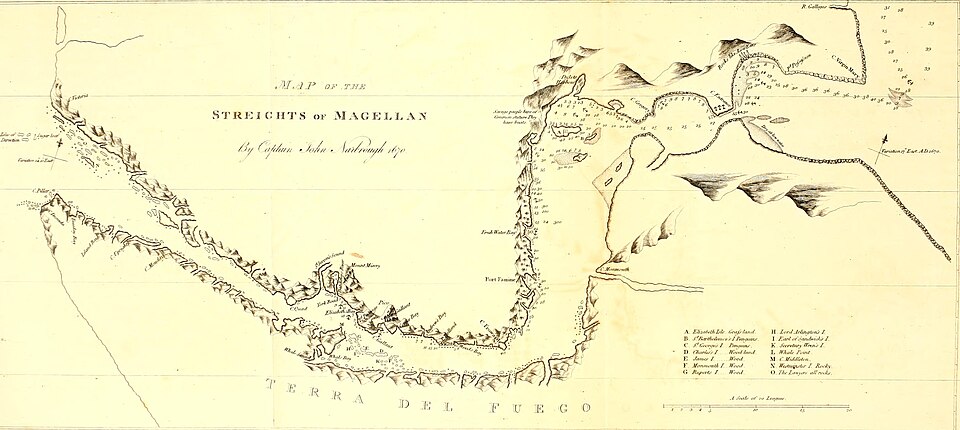
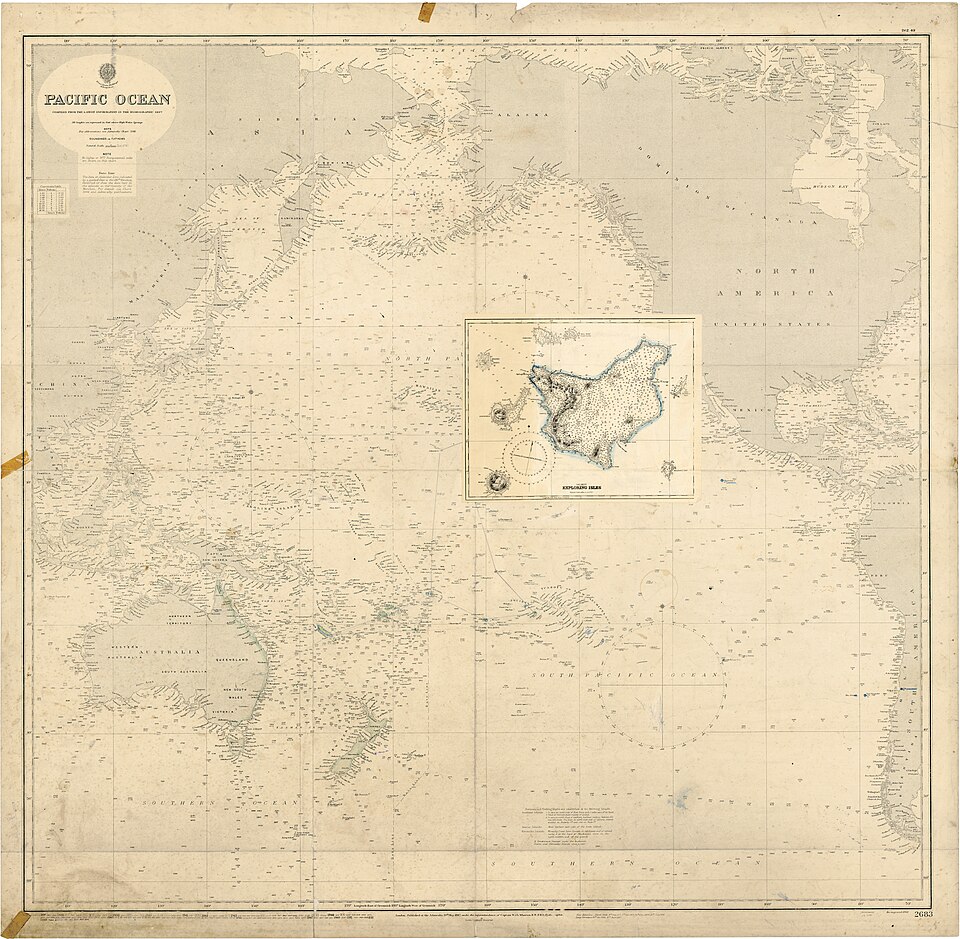
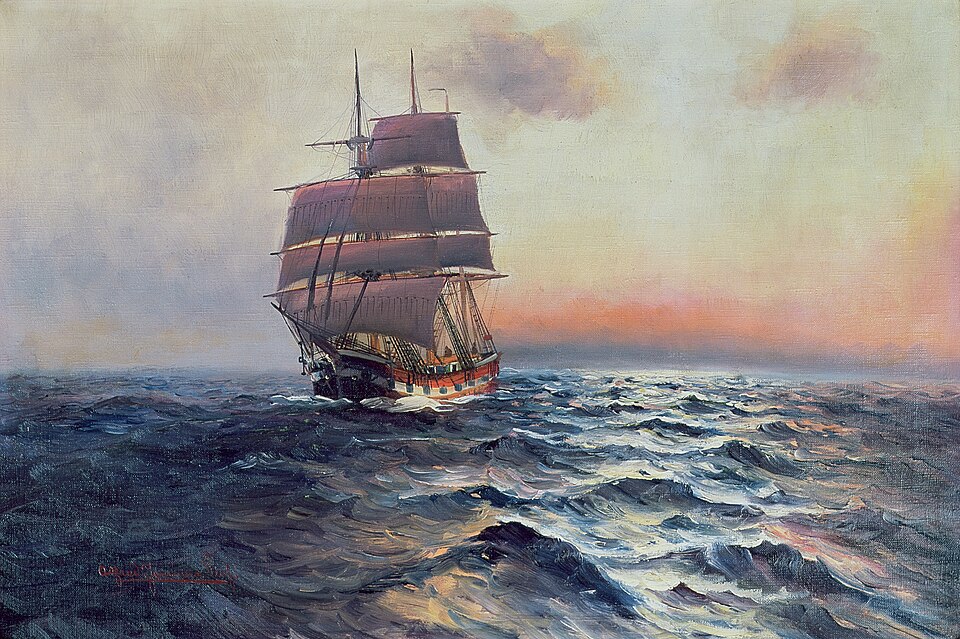
When the fleet came out of the strait on 28 November 1520, Magellan believed the Spice Islands lay only a short sail ahead. He was wrong by an ocean. The Pacific — which he named for its calm — turned out to be the largest ocean on Earth, and crossing it took ninety-eight days, during which the crews starved, died of scurvy, and ate rats, sawdust, and leather. It was the longest voyage without landfall ever made up to that time, and it nearly destroyed the expedition. The men who survived it were never the same again.
In short
The three remaining ships left the Strait of Magellan on 28 November 1520 and sailed north-west across the Pacific. They saw no inhabited land for ninety-eight days, until they reached Guam on 6 March 1521. In that time about nineteen men died of scurvy and starvation, and twenty-five to thirty more fell sick. The crews ate rats, sawdust, and the leather of the ships' rigging. The only land they saw was two small, uninhabited islands, which Pigafetta called the Unfortunate Islands. The crossing proved the Pacific was far wider than anyone in Europe had imagined — about 17,000 kilometres from South America to Asia.
A peaceful sea — and a terrible one
Magellan named the ocean "Mar Pacifico", the peaceful sea, because after the storms and cross-winds of the strait, the water was calm and the wind was fair. The name has stuck for five hundred years, and it is a joke of history: the Pacific is the largest and often the stormiest ocean on Earth. But in those first weeks, the calm was real, and it was a problem. The ships sailed north-west, following the wind, and the wind was light. Day after day the same blue water stretched to the horizon, and there was no land. Magellan had expected to reach the Spice Islands in a few weeks. The weeks passed, and there was nothing. The food ran out. The water went bad. And the men began to die.
Pigafetta's account of the crossing is one of the most harrowing passages in the literature of exploration. "We ate biscuit, but it was no longer biscuit, but powder full of worms," he wrote. "We drank water, but it was yellow and stinking. We ate rats, which were sold for half a ducat each. We ate the leather of the rigging, soaked in the sea for four or five days and then roasted." Scurvy — the disease caused by a lack of vitamin C, which makes the gums swell, the teeth fall out, and old wounds open again — killed about nineteen men, and left twenty-five to thirty more too sick to work. The ships were short-handed, and the men who could still work were weak and starving. The crossing was not a voyage. It was an endurance test.
Why nobody knew how wide the ocean was
The reason the crossing was so terrible is that nobody in Europe knew how wide the Pacific was. Magellan's charts, like Columbus's before him, were based on a world that was much smaller than the real one. He believed the Spice Islands lay a short distance beyond the strait — perhaps a few weeks' sail. In fact, the Pacific is about 17,000 kilometres wide at the latitude the fleet crossed, and the voyage from the strait to Guam took ninety-eight days. The fleet carried food for a crossing of a few weeks, not three months, and it ran out. The men survived because the weather was kind — there were no great storms — and because Magellan kept the ships moving north-west, where the wind was fair. If the fleet had been becalmed, or caught in a typhoon, it would have been lost. As it was, the crossing was a piece of luck as much as a piece of seamanship: the fleet survived because the Pacific, for once, lived up to the name Magellan gave it.
The Unfortunate Islands
The only land the fleet saw during the crossing was two small, barren islands, which Pigafetta called the Unfortunate Islands (Islas Desventuradas). They were probably Puka Puka and Flint Island, in what is now French Polynesia and Kiribati — tiny coral atolls with no water, no food, and no people. The fleet passed them in January 1521, and did not stop. There was nothing to stop for. The ships sailed on, north-west, into an ocean that seemed to have no end, until, on 6 March 1521, after ninety-eight days at sea, the lookout sighted land: Guam, in the Mariana Islands, where the fleet could finally take on water and food. The crossing was over. The men who had survived it had done something no one had ever done before: they had crossed the largest ocean on Earth, in ships that were falling apart, on food that had run out, and they had lived to tell about it.
Guam: the Isle of Thieves
The fleet's first landfall in the Pacific was Guam, and it was not a happy one. The people of Guam, the Chamorro, came out to the ships in canoes and took whatever they could carry — including one of the ships' boats. Magellan, who was starving and short-tempered, sent armed men ashore, killed several islanders, burned their houses, and took back the boat and a supply of food and water. Pigafetta called the island the "Isle of Thieves" (Isla de los Ladrones), and the name stuck for two hundred years. It was a bad beginning to the fleet's time in the Pacific, and it set a pattern: Magellan, who had been generous and patient in Brazil, was now willing to use force to get what he needed. Ten days later, in the Philippines, that willingness would kill him.
| Fact | Detail |
|---|---|
| Left the strait | 28 November 1520 |
| Reached Guam | 6 March 1521 (98 days later) |
| Distance crossed | About 17,000 km (10,500 miles) |
| Land seen | Two uninhabited islands only |
| Died of scurvy/starvation | About 19 men; 25–30 more fell sick |
| Food eaten | Rats, sawdust, leather from the rigging |
Sources: Wikipedia, “Magellan expedition”; Encyclopaedia Britannica, “Ferdinand Magellan”; Ohio State University Origins, “Magellan’s Circumnavigation of the Earth”; Antonio Pigafetta, “The First Voyage Round the World” (journal, 1522). Checked 29 November 2026.