Legacy and Controversy: The Strait, the Clouds, and the Argument About Magellan

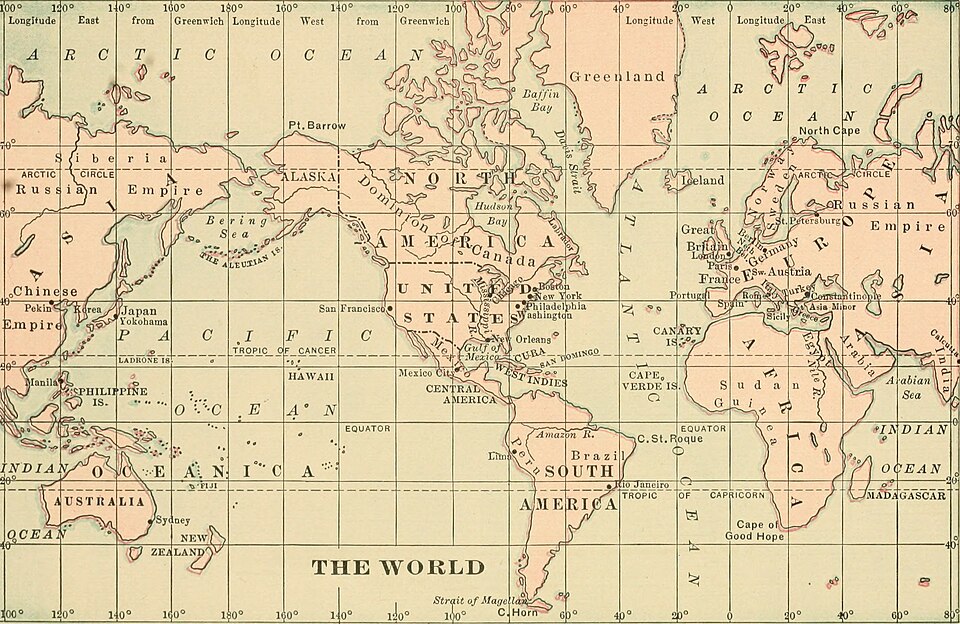
Five hundred years after the voyage, Magellan's name is everywhere: on a strait, on two galaxies, on a penguin, on a space probe, and on the first voyage around the world. But the argument about him has never stopped. Was he a hero who proved the Earth is round, or a colonial aggressor who died fighting a war he had no business fighting? Was the voyage a triumph of exploration, or a disaster that killed two hundred men for a cargo of cloves? The answer, as this site has tried to show, is that it was both — and that the argument is part of the legacy.
In short
Magellan's name survives on the Strait of Magellan, the Magellanic Clouds (two dwarf galaxies visible from the southern hemisphere), the Magellanic penguin, and the NASA Magellan space probe that mapped Venus in the 1990s. The 500th anniversary of the voyage was marked in Spain and Portugal in 2019–2022 with exhibitions, a replica of the Victoria sailing the route, and a great deal of debate. The controversy is about what the voyage meant: in Europe it is celebrated as the first circumnavigation; in the Philippines, Lapu-Lapu, who killed Magellan at Mactan, is celebrated as the first Filipino hero to resist foreign invasion. Both views are part of the story, and this site presents both.
What bears his name
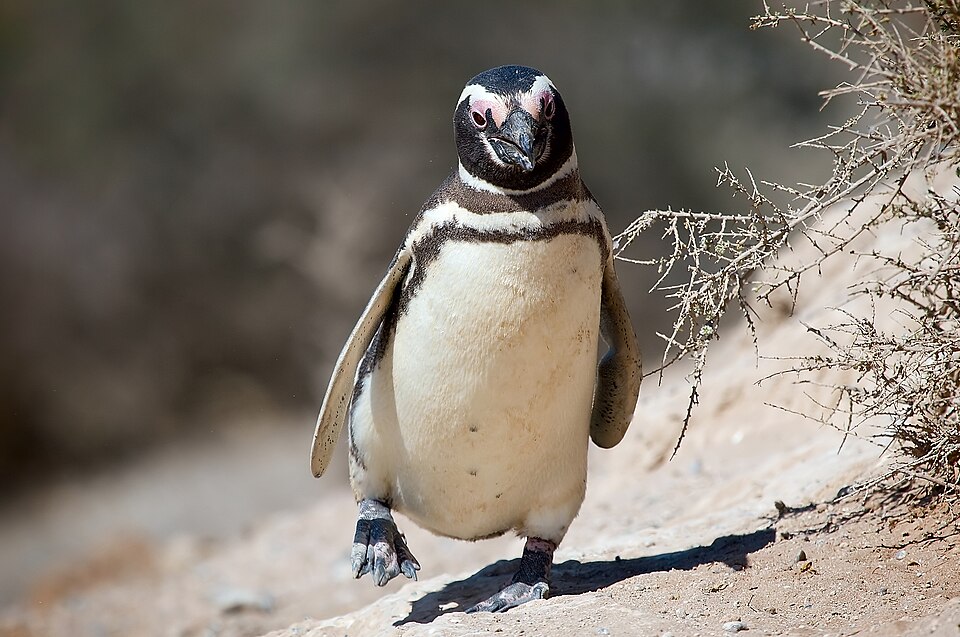
The Strait of Magellan, at the southern tip of South America, is the most famous place named for him, and it is still used by ships today. The Magellanic Clouds — the Large and Small Magellanic Clouds, two small galaxies that orbit our own Milky Way — were described by Pigafetta during the voyage, and they have carried Magellan's name ever since, though they were known to peoples of the southern hemisphere long before any European saw them. The Magellanic penguin, a species that breeds on the coasts of Patagonia and the Falkland Islands, was named for him because the fleet saw penguins at Port St Julian. And in the 1990s, NASA named its Venus-mapping spacecraft Magellan, in honour of the explorer who mapped the Earth by sailing around it. There are also towns, streets, and schools named for him across Spain, Portugal, and the Philippines, and a crater on the Moon bears his name.
The 500th anniversary
The 500th anniversary of the voyage, marked in 2019–2022, brought the argument about Magellan back into the open. Spain and Portugal held joint celebrations, with exhibitions in Seville, Lisbon, and Madrid, and a replica of the Victoria sailed the route of the circumnavigation. But in the Philippines, the anniversary was marked differently: the government celebrated the 500th anniversary of the Battle of Mactan, and of Lapu-Lapu's victory, as a national event, with a new statue and a quincentennial programme. The two celebrations were not in conflict — they were two sides of the same story, told from opposite shores. The Spanish celebration honoured the first voyage around the world. The Philippine celebration honoured the first resistance to it. Both are true, and both deserve to be told.
The argument: hero or invader?
The argument about Magellan is part of a larger argument about the age of exploration itself. On one side, Magellan is a hero: a brave, determined sailor who planned and led the first voyage around the world, proved the Earth is round, and opened the age of global trade. On the other side, he was an agent of empire: a man who sailed to the Philippines to claim its people for Spain, who baptised hundreds of people at sword-point, and who died fighting a local war he had started. The truth is that he was both, and the voyage was both a triumph and a tragedy. It proved the world is round, and it killed two hundred men. It brought the Philippines into contact with Europe, and it began a colonial history that would last for three hundred years. This site does not ask the reader to choose. It asks the reader to know the facts, to understand both sides, and to decide for themselves.
What the voyage means today
The voyage matters today for three reasons. First, it proved that the world is one connected place: a ship can leave Spain sailing west and come home from the east, and the oceans that divide the continents also join them. Second, it proved that knowledge comes from going and seeing, not from arguing about maps: the Pacific was wider than anyone believed, and only sailing it could prove it. Third, it is a warning: the voyage was paid for with lives, and the trade it opened brought both wealth and suffering to the peoples it touched. The story of Magellan is the story of the modern world in miniature — exploration, trade, empire, and the meeting of peoples who did not understand each other. Five hundred years later, we are still living in the world that voyage made, and we are still arguing about what it meant. That is the legacy of Ferdinand Magellan, and it is why his story is still worth telling.
Magellan in modern culture
Magellan's story has been told and retold in every generation since the voyage, in books, in films, and in the celebrations of the 500th anniversary in 2019–2022. In 2019, a replica of the Victoria, built by the Fundacion Nao Victoria in Seville, sailed the route of the circumnavigation, visiting ports in Spain, Portugal, and the Philippines, and drawing crowds wherever it went. In the same years, Spain and Portugal held joint exhibitions, published new editions of Pigafetta's journal, and debated — again — what the voyage meant. The story has also been told in novels, in children's books, and in a Spanish television series, and it has been the subject of operas, of poems, and of a video game. The reason the story survives is that it is, quite simply, the greatest adventure story in history: five ships, 270 men, a voyage around the world, and a captain who died halfway and was finished by another man. It is a story that does not need embellishment, and it has not needed it for five hundred years.
All dates on this site were checked against the sources named on each page on 29 November 2026. The debate about Magellan's legacy is ongoing; the guides present the main views without taking a side.
Sources: Wikipedia, “Magellan expedition” and “Ferdinand Magellan”; Encyclopaedia Britannica, “Ferdinand Magellan”; Ohio State University Origins, “Magellan’s Circumnavigation of the Earth”; Museo Naval, Madrid, “Magellan, Elcano and Their Voyage Around the World.” Checked 29 November 2026.