The Atlantic Crossing: From Spain to Brazil, and Mutiny at Port St Julian
The Atlantic crossing took the fleet from Spain to Brazil in about three months, and then down the coast of South America for another five — through summer heat, winter cold, and a mutiny that nearly ended the voyage before it had found the strait. By the time the fleet reached Port St Julian, in the far south of what is now Argentina, it had already lost one ship, hanged one captain, and marooned another. Magellan had proved he would rather kill his own officers than lose command of the expedition. The men who sailed on with him knew it.
In short
The fleet left Sanlucar de Barrameda on 20 September 1519, crossed the Atlantic, and reached Brazil in December 1519, resting at Rio de Janeiro in January 1520. It then sailed south along the South American coast, reaching Port St Julian (in modern Argentina) on 31 March 1520, where it wintered. There, three captains — Cartagena, Quesada, and Mendoza — mutinied. Magellan crushed the mutiny: Mendoza was killed, Quesada was executed, and Cartagena was marooned. The Santiago was wrecked in May 1520 while scouting south. The fleet finally left Port St Julian on 24 August 1520 and sailed on south in search of the strait.
Across the Atlantic
The crossing began badly. Magellan's orders from the king said he should sail to the Canary Islands and then south-west to Brazil, but he sailed south along the African coast instead, to avoid Portuguese ships — and his Spanish captains, who knew the orders, took this as proof that he was disobeying the king. Cartagena, the fleet's inspector, openly challenged him, and Magellan had him arrested and put in irons for several days. The fleet reached the Canary Islands, took on water and supplies, and then crossed the Atlantic in the usual way, catching the trade winds south-west to Brazil. The crossing took about two months, and the fleet reached the Brazilian coast in December 1519, near what is now Recife. The men traded with the local people for food, and the ships were careened and repaired.
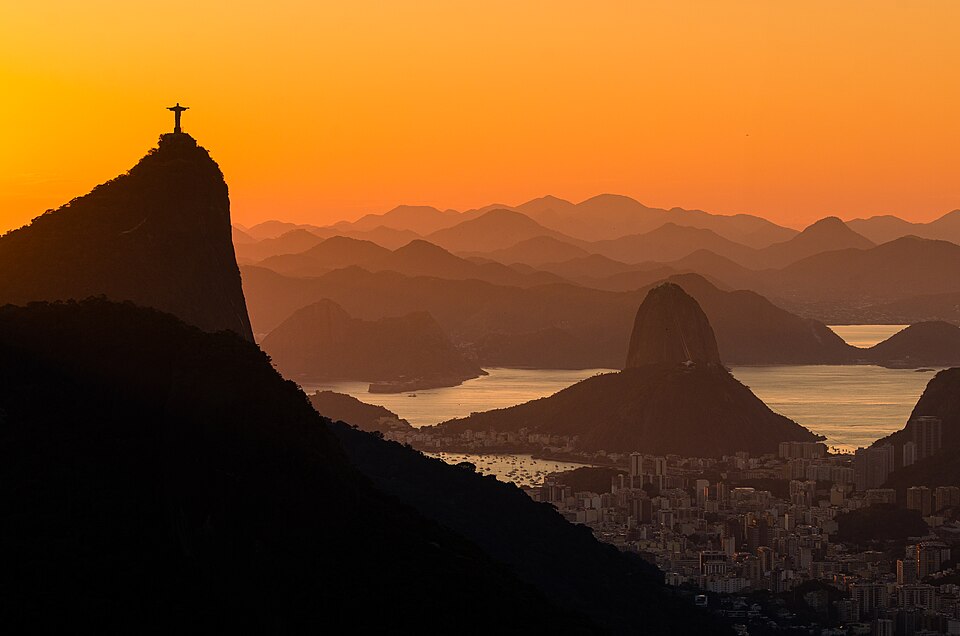
In January 1520 the fleet reached the great bay of Rio de Janeiro, which the Portuguese had named the "River of January" because they had arrived there in January. The fleet rested there for two weeks, taking on water and fresh food, and the men traded with the local Tupinamba people. Pigafetta, who kept the journal of the voyage, wrote about the people they met: their houses, their food, their canoes, and their customs. It was the last easy stop the fleet would make for a very long time. From Rio the ships sailed south, down a coast that grew colder and emptier with every week, past the mouth of the River Plate — which Magellan explored, hoping it was the strait, and found it was only a river — and on to the bleak shores of Patagonia.
Port St Julian: the winter that nearly ended the voyage
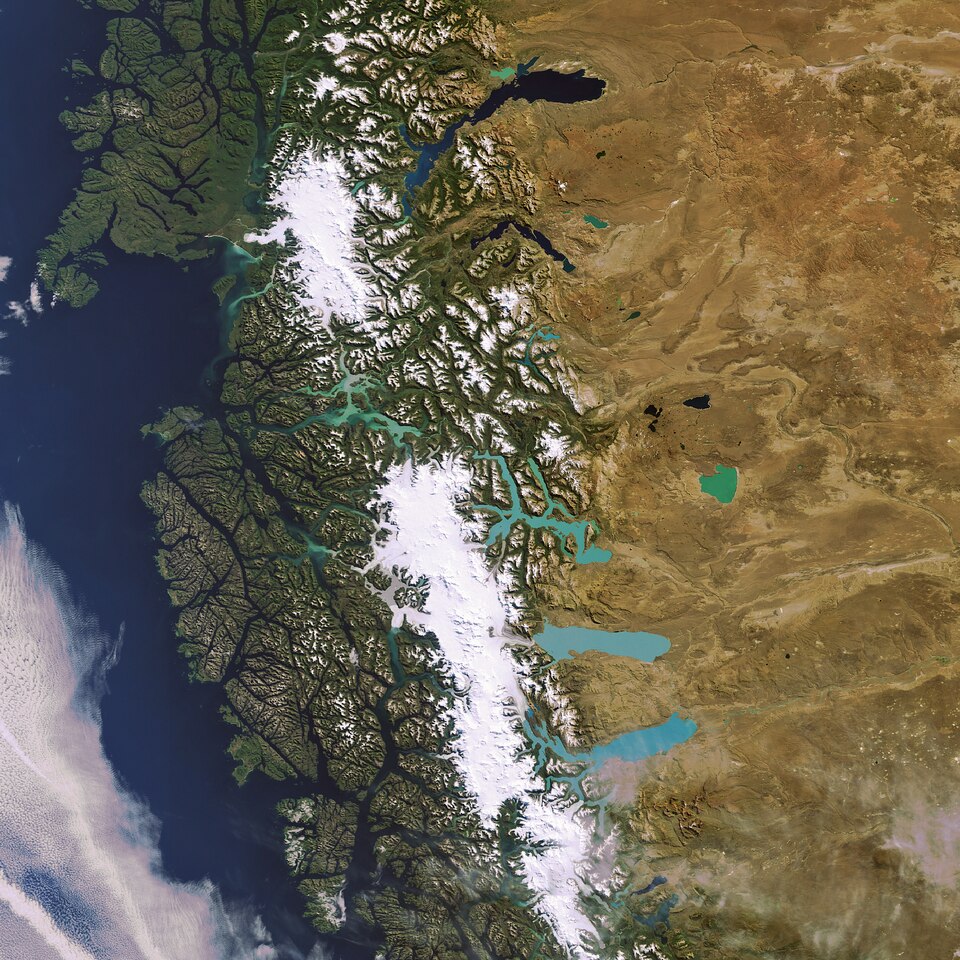
On 31 March 1520 the fleet reached Port St Julian, a sheltered bay on the Patagonian coast, at about 49 degrees south latitude. It was the beginning of the southern winter, and Magellan decided to stay there until spring. The decision was reasonable — the weather was turning, the coast to the south was unknown, and the ships needed repairs — but the men hated it. They had been at sea for six months, they had found no strait, and they were wintering in a place with no trees, no fresh food, and no people. On Easter Sunday, 1 April 1520, three of the five captains mutinied. Cartagena, Quesada, and Mendoza seized the San Antonio, the Concepcion, and the Victoria, and demanded that Magellan turn back to Spain.
Magellan's response was swift and ruthless. He sent a boat to the Victoria with a message for Mendoza, and when Mendoza came to read it, Magellan's men killed him on the spot. He then sent armed men to retake the Victoria, turned the fleet's guns on the San Antonio, and forced her to surrender. Quesada was tried and executed — beheaded, and his body quartered — and Cartagena was marooned on the Patagonian coast with a priest, left to die. The other mutineers were pardoned, because Magellan needed their hands to sail the ships. The mutiny was over in a day, but it left a mark on the voyage. The men knew their commander would kill to stay in command, and Magellan knew that his officers could not be trusted. He would keep his plans secret from them for the rest of the voyage.
The giants of Patagonia
While the fleet wintered at Port St Julian, the men met the people of Patagonia — the Tehuelche, whom Pigafetta called "Patagones", or "big feet", because of the size of their footprints in the sand. Pigafetta wrote that they were giants, nine or ten feet tall, and his account gave Patagonia its name: the land of the giants. The men were, in fact, tall — the Tehuelche were among the tallest people in the world, averaging about six feet — but they were not giants, and Pigafetta's measurements were exaggerated, as travellers' tales often are. The fleet took two of the men aboard as guides and hostages, and both died on the voyage. The name, however, stuck: Patagonia is still called the land of the giants, and the "Patagonian giants" were believed in Europe for two hundred years.
The loss of the Santiago
In May 1520, while the fleet was still at Port St Julian, Magellan sent the Santiago south to scout for the strait. The little ship sailed about 300 kilometres down the coast and was wrecked in a storm at the mouth of the Santa Cruz river. Her crew survived — all but one man, who drowned — and walked back to Port St Julian through the Patagonian winter, arriving half-starved and frozen. The loss of the Santiago was a serious blow: the fleet had lost its fastest ship and its scout, and it had found no strait. But Magellan pressed on. On 24 August 1520, with the southern spring coming, the fleet left Port St Julian and sailed south again, down a coast that seemed to go on forever, until, two months later, it found the passage that would carry it to the Pacific.
| Date | What happened |
|---|---|
| 20 Sep 1519 | Fleet leaves Sanlucar de Barrameda |
| Dec 1519 | Reaches the Brazilian coast |
| Jan 1520 | Rests at Rio de Janeiro for two weeks |
| Feb 1520 | Explores the River Plate, hoping it is the strait |
| 31 Mar 1520 | Reaches Port St Julian and decides to winter there |
| 1–2 Apr 1520 | Mutiny: Mendoza killed, Quesada executed, Cartagena marooned |
| May 1520 | Santiago wrecked while scouting south; crew walks back |
| 24 Aug 1520 | Fleet leaves Port St Julian and sails south again |
Sources: Wikipedia, “Magellan expedition”; Encyclopaedia Britannica, “Ferdinand Magellan”; Ohio State University Origins, “Magellan’s Circumnavigation of the Earth”; Antonio Pigafetta, “The First Voyage Round the World” (journal, 1522). Checked 29 November 2026.